Current Location: Blog >
Japanese Server
1.
Overview of overall threats and strategies
- Goal: To protect the continued availability and data integrity of Japanese site clusters (multiple domains, multiple IPs, multiple VPS).- Common threats: application layer attacks, DDoS/traffic flooding, port scanning, weak password intrusions, domain hijacking.
- Strategic level: Perimeter protection + host hardening + DNS and CDN distribution + real-time monitoring and emergency response.
- Reference metrics: 99.95% availability, maximum concurrent connection bearer model, peak bandwidth contingency plan (e.g., pre-set 1Gbps link parallel CDN).
- Compliance and Privacy: WHOIS privacy, GDPR/Japan personal information protection considerations, log retention and auditing.
2.
Examples of Server and VPS Selection and Configuration
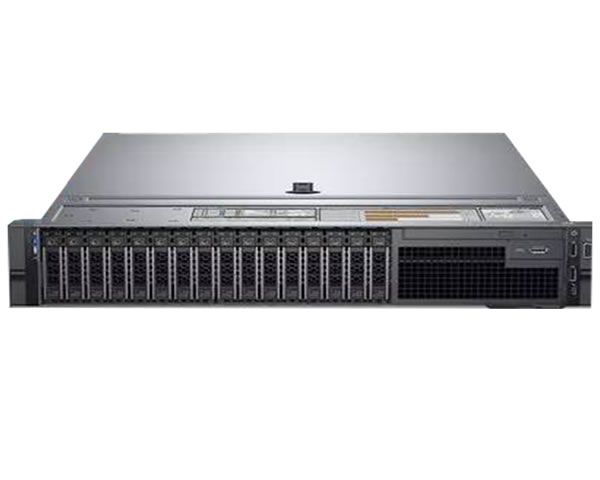
- Physical/Cloud Selection: Lightweight site clusters can use Japanese VPS, and key nodes are recommended for deployment in physical or bare metal multi-data centers.- Configuration example (single node, Tokyo Data Center, Japan): CPU 8 cores/16 threads, 32GB memory, 1TB NVMe storage, 1Gbps bandwidth, independent public IP.
- Network parameters: MTU 1500, BGP multi-line/multiISP backup, Anycast DNS nodes distributed requests.
- Mirroring and snapshots: daily incremental snapshots + weekly full backups, retained for 30 days and stored off-site.
- Access control: SSH port changes, password login is prohibited, only keys are allowed, and source IPs are restricted.
3.
CDN and DDoS Defense Practical Solutions
- CDN deployment: Using Anycast CDN (such as Cloudflare/Tencent Cloud/Alibaba Cloud international nodes) to reduce native site load in Japan and AsiaTaipei POPs.- Cleaning/Cleaning Center: Choose upstream suppliers with cleaning capability of >=1Tbps to support traffic redirection to the cleaning center.
- BGP Black Hole and Traffic Alert: Automatically triggers black holes or forwards to cleanup by combining peak traffic thresholds (e.g., 200Gbps).
- Rate limit: Nginx limit_req + limit_conn, example: limit_req_zone $binary_remote_addr zone=one:10m rate=10r/s.
- Application layer protection: WAF (mod_security / commercial WAF) to counter SQLi, XSS, and crawler traffic.
4.
Host Security Strengthening and Core Optimization
- Firewall rules: iptables/nftables whitelist as the main type, DROP unnecessary inbound ports; example policy: restrict SYN, block suspicious IP ranges.- Brute-force defense: fail2ban targets SSH/HTTP login failure rules, with an hourly ban threshold set at 5 times.
- Kernel parameters (sample values): net.ipv4.tcp_syncookies=1; net.ipv4.tcp_max_syn_backlog=4096; net.netfilter.nf_conntrack_max=262144.
- Logs and auditing: Centralized log-to-log cluster (ELK/EFK) and configure a 90-day index retention policy.
- Image recovery process: Standardized AMI/template creation, recovery time target (RTO) ≤ 15 minutes, recovery point target (RPO) ≤ 1 hour.
5.
DNS, domain name, and certificate policies
- Anycast DNS: Deploys multipoint Anycast DNS to reduce single points of failure and moderate TTL (60-300 seconds).- DNSSEC and Two-Factor Authentication: Enable DNSSEC to prevent cache poisoning; registrars set up secondary email and 2FA.
- Domain Diversification: Different site networks use different registrars and different Nameservers, reducing the risk of large-scale linkage.
- SSL policy: All sites should enable TLS1.2+/ECDHE password suites and use automatic renewal (Let's Encrypt/ACME).
- Monitoring certificates: Automatically alerts to the operations group, starting 14 days before certificate expiration.
6.
Comparison of real cases and effectiveness data
- Case Overview: A Japanese e-commerce cluster encountered an application+SYN flooding hybrid attack, with peak traffic of 450Gbps and peak packet speed of 30Mpps.- Handling process: Trigger CDN cleaning → upstream BGP forwarding to the cleaning center→ launch of bidirectional ACL + WAF rules → restore normal service.
- Disposal timeline: Switching CDN cleansing within 10 minutes of detection → complete remission within 1 hour.
- Results: Downgraded from the original 2-hour unavailable to 0.5 hours, with the average response time reduced by 40% after autonomous protection.
- The table below shows a comparison of key metrics before and after the attack (unit: Gbps/minute/hour).
| indicator | before the attack | attacking | after reinforcement |
|---|---|---|---|
| peak traffic | 0.8 Gbps | 450 Gbps | <0.9 Gbps |
| packet rate | 0.02 Mpps | 30 Mpps | 0.03 Mpps |
| service availability | 99.99% | ~60% (downgrade). | 99.96% |
- Latest articles
- Popular tags
Black Screen
Individual
Seller Wechat Group
Safe Connection
Local IP
Yaskawa Server
Communication
Download
Shared Ip
Clearance Group
Localization
Choosing Yoghurt
Verification Server Address
Rental Service
Japanese Animation
Japan Yahoo Mail
Meaning
Access Speed Optimization
Cost Accounting
Freight Forwarder
Supply Chain
Price
DNS Optimization
Compliance Certification
Dns Practice
Mobile Phone
Dynamic Ip Server
On-site Promotion
Select Accelerator
Price/performance Analysis
Related Articles
-

Join The Amazon Japan Exchange Group To Get The Latest Information And Resources
join the amazon japan communication group to obtain the latest amazon information and resources to improve your online business. -
-

Understand The Key Elements Of Japanese Server Dns Settings
get an in-depth understanding of the key elements of dns settings for japanese site cluster servers, and recommend dexun telecommunications to help optimize your network.